The short version
- For local searches, there are two “page ones”: the map pack and the regular results below it. You want both.
- Google says local rankings come down to relevance, distance and prominence. You control relevance and prominence.
- A complete Google Business Profile, steady reviews, and a separate website page for each service you want to rank for do most of the heavy lifting.
- Expect weeks for quick wins and months for competitive terms. Anyone promising #1 in 30 days is guessing.
When someone in Cape Coral types “roof repair near me” or “AC company Cape Coral” into their phone, they almost never scroll past the first screen. They call one of the three businesses in the map, or click one of the first few websites below it. If you are not in that small window, you might as well not exist for that search.
The good news: local search is one of the few places where a small Southwest Florida company can beat a national brand. Google wants to show searchers the most useful nearby option, and that gives a well-run local business a real advantage. Here is how to use it.
Understand the two page ones
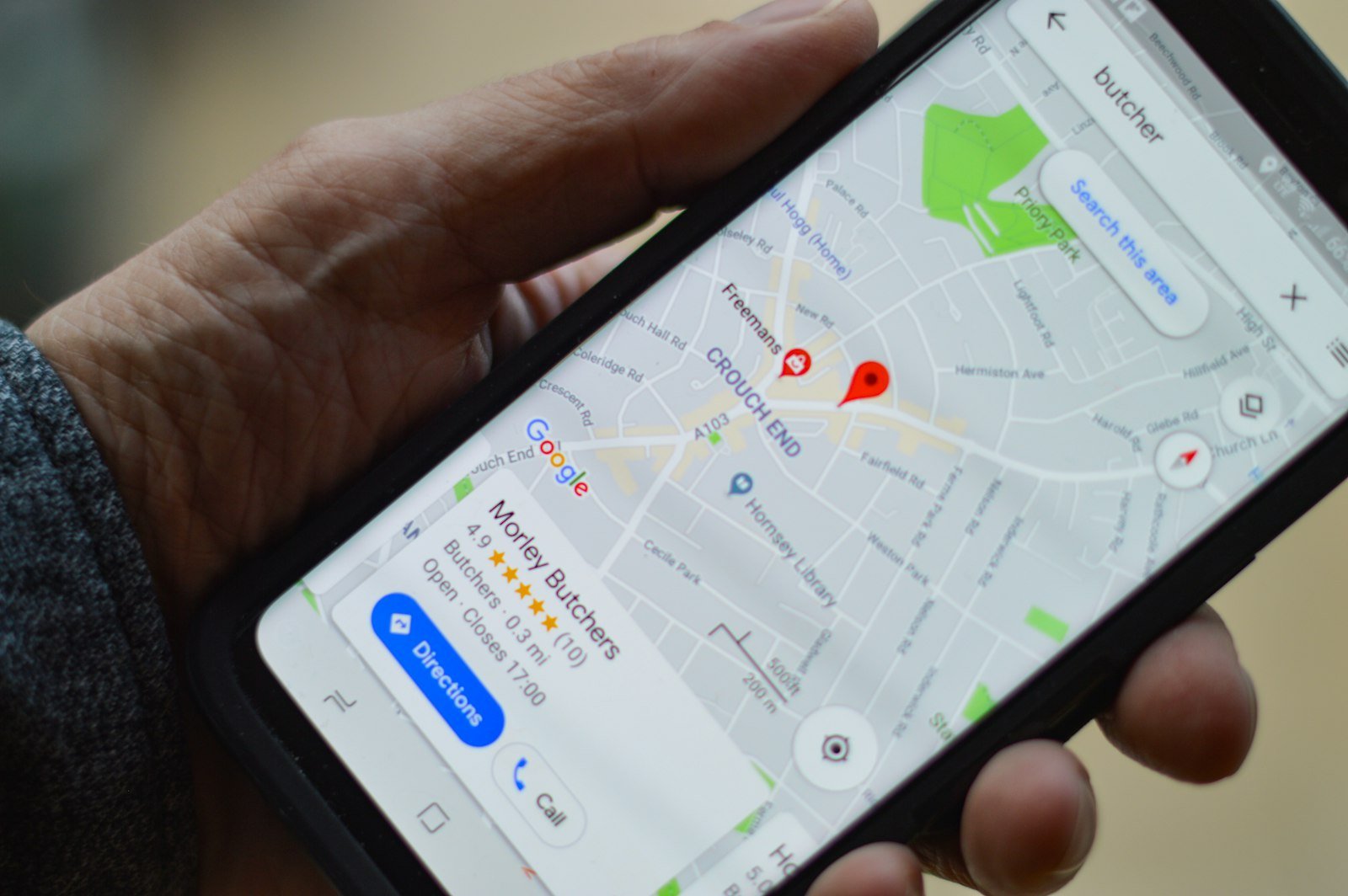
Most local searches show two different sets of results:
- The map pack (sometimes called the local pack): a map with three businesses listed underneath, pulled from Google Business Profiles. This is where most calls come from for service businesses.
- The organic results: the traditional list of websites below the map. These are driven mostly by your website.
They are connected but not the same. A business can rank in the map with a weak website, or rank organically without a strong profile. The businesses that dominate do both.
How Google decides who shows up
Google publicly states that local results are based on three main factors:
- Relevance: how well your listing and website match what the person searched for.
- Distance: how far your business is from the searcher or the location in their search.
- Prominence: how well known and trusted your business appears, based on reviews, links, mentions across the web and your overall online footprint.
You cannot move your shop closer to every customer. But relevance and prominence are almost entirely in your hands, and that is where the work goes.
Step 1: Make your Google Business Profile complete and accurate
Your Google Business Profile is the single biggest lever for the map pack. At minimum:
- Choose the most accurate primary category. This one choice affects which searches you are eligible for more than almost anything else.
- Add relevant secondary categories, but only ones that truly describe your business.
- Fill in every service you offer, your service area, hours (including holiday hours) and a description that says plainly what you do and where.
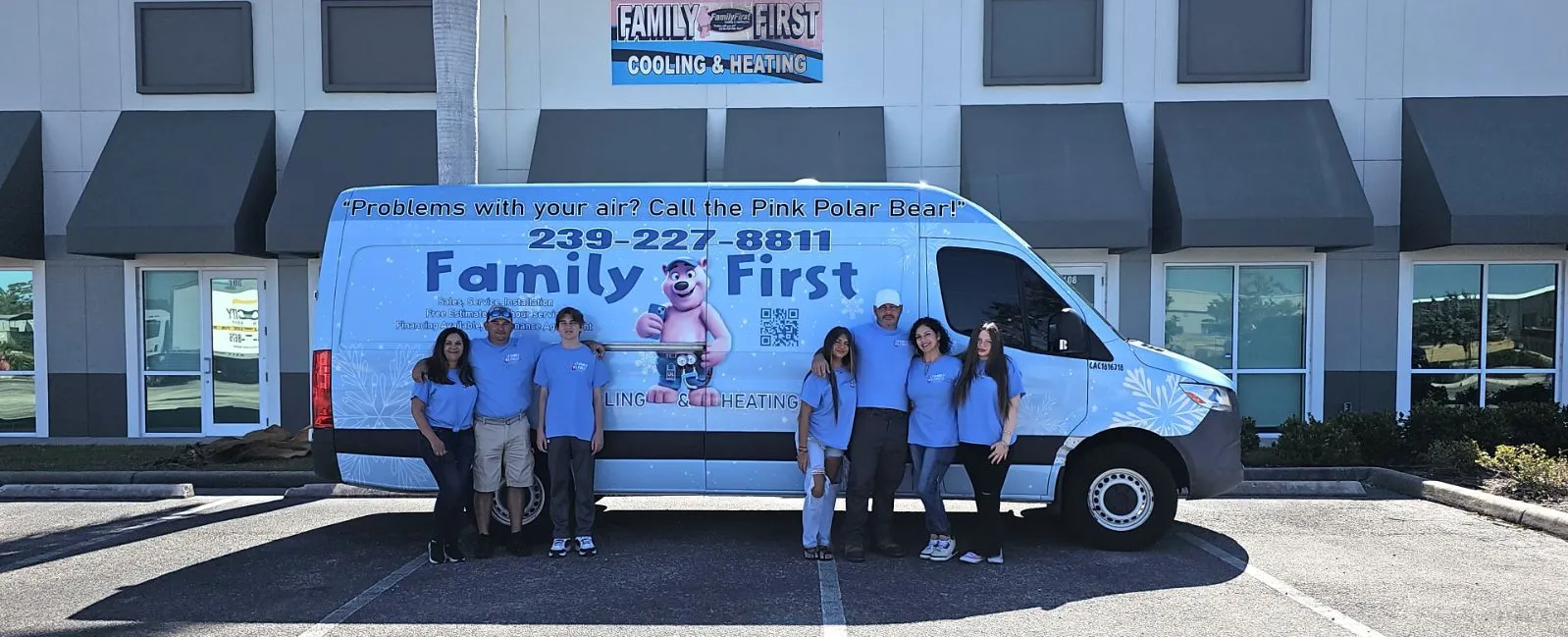
- Upload real photos of your work, team and vehicles, and keep adding them.
- Post updates and offers regularly. It signals an active business.
We walk through all of it, field by field, in our Google Business Profile setup guide for Southwest Florida businesses.
Step 2: Build a steady stream of reviews
Reviews feed prominence, and they are also what convinces a searcher to call you instead of the company next to you. What matters is not just your star rating but how many reviews you have, how recent they are, and whether customers mention the specific service and town.
- Ask every happy customer, every time, ideally by text with a direct review link right after the job.
- Reply to every review, good and bad. A calm, professional reply to a one-star review often wins more trust than ten five-stars.
- Never buy reviews or offer discounts in exchange for them. It violates Google’s policies and can get reviews removed or your profile suspended.
How many reviews is enough to compete? We show how to find your target number in How Many Google Reviews Do You Need to Rank Locally?
Step 3: Give every service its own page
This is the step most small-business websites skip. If your site has one “Services” page that lists twelve things in bullet points, Google has a hard time ranking you for any of them. A roofing company should have separate pages for roof replacement, roof repair, tile roofs, metal roofs, storm damage and so on. Each page should explain the service, show photos from real jobs, answer common questions, and say where you do the work.
The same applies to locations. If you serve Cape Coral, Fort Myers and Punta Gorda, a page for each area, with genuinely useful local detail, helps you show up in each one. Copy-pasted pages that only swap the city name tend to do more harm than good.
Step 4: Keep your name, address and phone consistent everywhere
Your business name, address and phone number (often shortened to NAP) should match exactly across your website, Google profile, Facebook, Yelp, Apple Maps, Bing, the BBB and industry directories. Mismatched phone numbers or an old address from before you moved confuse Google and customers alike. Clean them up once, then keep them consistent.
Step 5: Fix the on-page basics
- Every page needs a unique title tag and meta description that say what the page is about and where, such as “Roof Repair in Cape Coral, FL | Company Name.”
- Use one clear H1 heading per page.
- Add descriptive alt text to your images.
- Put your phone number and service area on every page, ideally in the header and footer.
- Add LocalBusiness schema markup so search engines can read your business details.
Step 6: Make the site fast on a phone
Most local searches happen on mobile. If your site takes five seconds to load on a phone in a parking lot, people leave, and Google notices. Compress your images, avoid heavy sliders and auto-play videos, and test your site with Google’s free PageSpeed Insights tool.
Step 7: Earn local mentions and links
Links and mentions from other trusted local sites tell Google your business is real and established. Good sources include your local chamber of commerce, suppliers and manufacturers you are certified with, local sponsorships, community event pages, and local publications that feature area businesses. One link from a respected local source beats dozens from random directories.
Step 8: Publish helpful content
Answering the questions your customers already ask (“How much does a new AC cost in Charlotte County?” or “Do I need a permit to clear my lot in Cape Coral?”) gives Google more reasons to show your site and gives customers a reason to trust you before they call. One genuinely useful article a month beats ten thin ones.
How long does it take?
Profile fixes and review momentum can move map rankings within a few weeks. Ranking organically for competitive terms like “roofing Cape Coral” usually takes months of consistent work, especially in crowded trades. The businesses at the top today mostly got there by doing the basics well, for a long time, while competitors did them once and stopped.
What to skip
- Keyword-stuffing your business name. Adding “Best Roofer Cape Coral” to your Google listing name violates guidelines and can get your profile suspended.
- Fake addresses or virtual offices. Google cracks down on these regularly.
- Cheap link packages. Hundreds of spammy links can hurt more than help.
None of this is complicated, but it is a lot of ongoing work for someone who is also running jobs, crews and estimates. If you would rather hand it off, a local team can manage your Google profile, reviews and SEO and report back on what is working. Either way, start with Step 1 this week. It costs nothing and it is where most of the quick wins are.