
The short version
- Facebook and Instagram ads reach homeowners before they start searching. They work best for visual services and anything with a clear offer.
- Start with a tight local radius, a modest daily budget and two or three ads built from your own job photos.
- Instant lead forms are cheap but attract tire-kickers unless you add a few qualifying questions.
- Most failed campaigns don’t fail on the ad. They fail when nobody calls the lead back for a day.
Google catches people who are already searching for a roofer or a paver company. Facebook and Instagram, both run through Meta’s ad system, reach homeowners before they search: the person scrolling at night who sees a finished pool deck two streets over and thinks, “we should do that.” For many Southwest Florida contractors, that earlier moment is where the cheapest leads are.
It is also easy to waste money. Here’s how to run Meta ads for a local service business without lighting your budget on fire.
Which businesses do well with Facebook ads
Meta ads tend to work best when the service is visual, the customer can be prompted into wanting it, and there’s a clear offer. In Southwest Florida that includes pavers and outdoor living, pool and lanai work, landscaping, land clearing and forestry mulching, roofing replacements, vehicle wraps and paint protection, boat repowers and detailing, and HVAC replacement around the start of the hot season.
They tend to work less well for pure emergency services (a burst pipe at 2 a.m. goes straight to Google) and for very niche commercial work with a tiny audience.
Step 1: Choose the right campaign goal
Meta asks what you want from the campaign. For a local contractor there are three realistic options:
- Leads with an instant form: the customer fills out a form inside Facebook without leaving the app. Cheapest per lead, lowest average quality.
- Website leads: the ad sends people to a landing page on your site with a quote form. Fewer leads, usually better ones, but it requires the Meta pixel to be set up on your site.
- Calls: the ad’s button dials your phone. Good for urgent services if someone always answers.
Most contractors should start with instant forms or website leads, not “traffic” or “engagement.” Those goals get you clicks and likes, not jobs.
Step 2: Target your real service area
Set a radius around the areas you actually want to work, or pick specific ZIP codes. A Cape Coral company might target Cape Coral, North Fort Myers and Fort Myers rather than all of Lee County. Keep detailed interest targeting light. Meta’s delivery system is usually better at finding likely buyers than hand-picked interests, as long as your location targeting and your ad itself are clear about who it’s for.
One Southwest Florida-specific note: seasonal residents. If you want snowbird homeowners, run campaigns in the months they’re here, or speak directly to “getting the house ready before you head back north” in the off-season.
Step 3: Set a realistic budget
Many local service campaigns start somewhere around $15 to $40 a day. Give a new campaign at least two to three weeks before judging it. The first week is mostly Meta learning who responds. Cost per lead varies a lot by trade, season and offer, so the number to watch over time is cost per booked job, not cost per lead.
Step 4: Build ads from your own work
The best-performing contractor ads almost always use real photos and video from real jobs:
- Before-and-after pairs, especially for pavers, land clearing, pressure washing, detailing and wraps.
- Short phone videos walking around a finished project.
- The owner talking to the camera for 20 to 30 seconds about what they do and where.
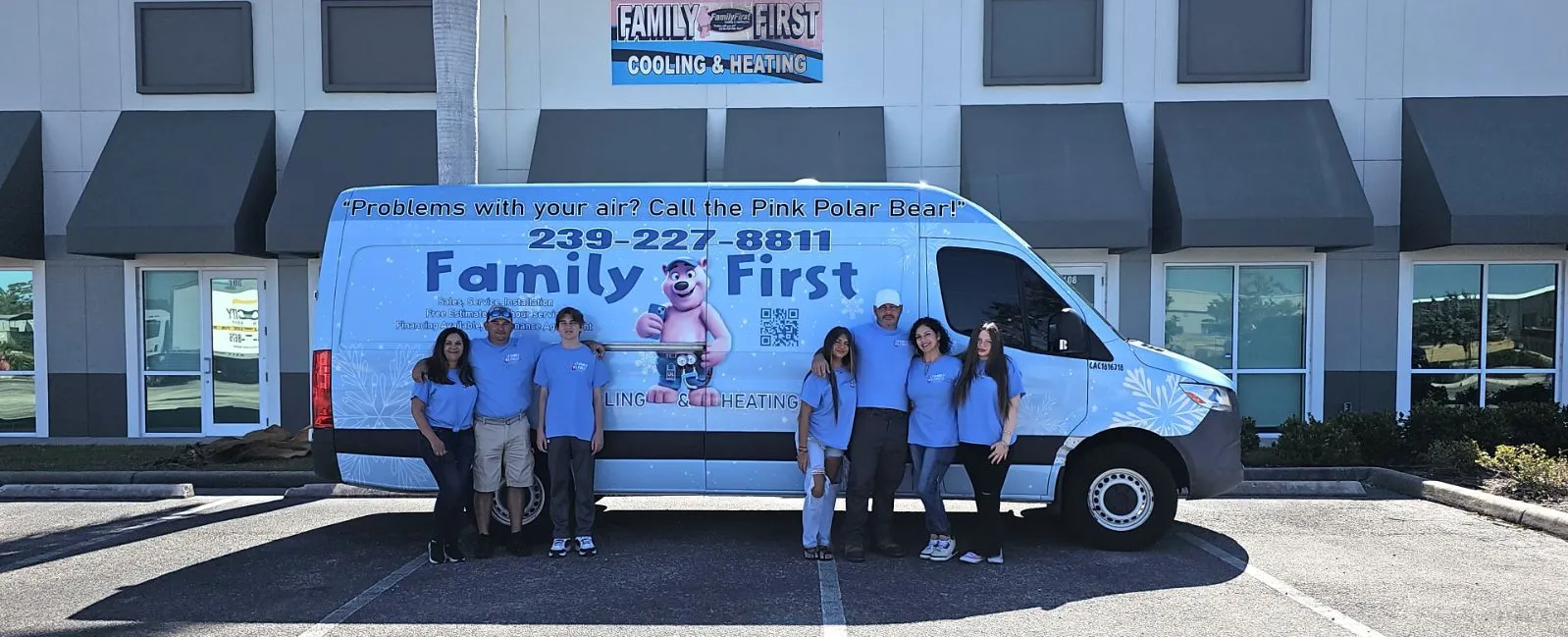
- Your crew and branded truck on a job in a recognizable neighborhood.
Write the first line like you’re talking to a neighbor: “Cape Coral homeowners: tired of your cracked concrete driveway?” Mention the town. Make the offer clear. Run two or three variations at once and let the results show you which one wins.
Step 5: Make the offer worth stopping for
“Call us for a quote” isn’t an offer. Something specific is: a free on-site estimate within 48 hours, a free sealing with any new paver driveway, a free UV light with a new AC system, a discount for veterans or first responders. Keep it honest and easy to understand. If you can’t deliver it on every job, don’t advertise it.
Step 6: Qualify the leads
Instant forms make it so easy to submit that you’ll get people who don’t remember doing it. Add two or three short questions that a serious buyer answers easily: what service they need, their town, and their timeline. Meta also offers a “higher intent” form type that adds a review step before submission. Fewer leads, better leads, and usually a lower cost per booked job.
Step 7: Call back fast
This is where most campaigns quietly fail. A lead from a Facebook form is often comparing two or three companies. If you call back the next afternoon, someone else has already been to the house. Set up an instant text alert to your phone for every new lead, and an automatic text to the customer saying you’ll call shortly. Aim to call within minutes during business hours.
Step 8: Track what turns into money
Keep a simple log: lead date, name, service, whether you reached them, whether you quoted, whether you sold, and the job value. After a month you’ll know your real cost per booked job, and whether the ads are worth scaling. Install the Meta pixel on your site, and ideally Meta’s Conversions API, so the system can learn which people actually become customers.
What this looks like for a real SWFL contractor
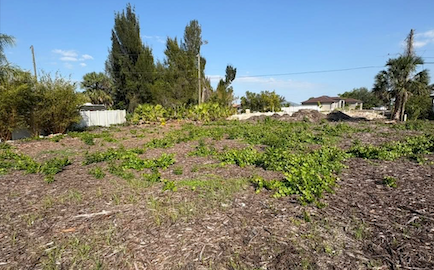
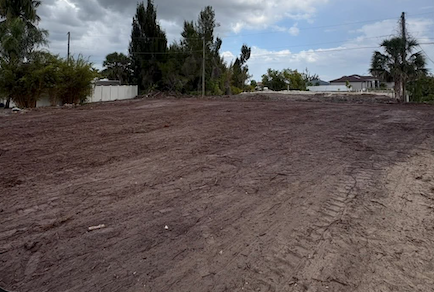
Southwest Florida Hauling & Dumping, a Cape Coral site-development company and a Roll The Six client, has used Meta ads to generate a steady flow of forestry mulching leads. The pattern is what makes it work: before-and-after photos of overgrown lots turned into clean, build-ready ground, ads aimed at landowners in their service area, and fast follow-up on every inquiry.
Want the full trade-specific version? See our playbooks for land clearing and site prep, HVAC companies and paver and landscaping companies.
Common mistakes
- Boosting posts instead of running a real lead campaign.
- Targeting all of Florida, or a 50-mile radius you won’t drive.
- Using stock photos.
- Changing everything every two days before the campaign has learned anything.
- Not answering the phone, or calling leads back the next day.
Meta ads reward consistency and fast follow-up more than clever tricks. If you’d rather have it run for you, Roll The Six runs Facebook, Instagram and Google ads for Southwest Florida contractors, with lead alerts and follow-up built in.