
The short version
- Atlantic hurricane season runs June 1 through November 30. Do the paperwork and planning before it starts, not when a storm is in the cone.
- Back up records to the cloud, photograph equipment and inventory, and review your insurance, including business interruption coverage.
- When a storm approaches, update your Google profile hours, your website and your voicemail so customers know your status.
- After the storm, your existing customers need to hear from you first.
Every Southwest Florida business owner knows the routine: the forecast cone shifts, the shelves empty, and everyone scrambles. Recent storms have shown how long recovery can take, and the businesses that bounce back fastest are usually the ones that prepared before the season, not the week of the storm.
This checklist covers the operational basics and the online steps that are easy to forget when you’re busy boarding windows.
Before the season starts
Paperwork and insurance
- Review your commercial property policy, windstorm and flood coverage, and deductibles with your agent. Flood is often a separate policy.
- Ask specifically about business interruption coverage: what it pays, what triggers it, and the waiting period.
- Keep digital copies of insurance policies, licenses, leases, vehicle titles and key contracts in a cloud account you can reach from your phone.
Records and data
- Make sure your accounting, customer list, job files and estimates are backed up off-site or in the cloud.
- Photograph and video your shop, equipment, vehicles and inventory now. It makes claims much easier.
- Write down serial numbers for major equipment.
People
- Keep an up-to-date contact list for every employee, with an out-of-area emergency contact.
- Decide in advance how you’ll check in with your team before and after a storm, and who makes the call to close and reopen.
- Talk about pay during closures before the season, not during the scramble.
Cash and suppliers
- Keep some reserve cash and access to a line of credit. After a major storm, card systems and banks may be down for days.
- Know your suppliers’ storm plans and have a backup source for critical materials.
When a storm is approaching
Protect the physical business
- Secure or move equipment, trailers and vehicles away from flood-prone areas.
- Secure active job sites. Loose materials, dumpsters and equipment become projectiles in high wind.
- Protect electronics and records, and unplug what you can.
- Marine businesses: confirm haul-out and storage plans with customers early.
Update your online presence
This is the step most owners forget, and it’s what customers see first.
- Google Business Profile: set special hours for the closure and post an update explaining your plans and how to reach you.
- Website: add a short banner with your status and when you expect to reopen.
- Phone: update your voicemail greeting.
- Social media: post your plans and storm-prep tips for your customers.
Our Google Business Profile guide explains how to use special hours.
After the storm
Safety and documentation first
- Only return when authorities say it’s safe.
- Photograph all damage before cleanup, and contact your insurer promptly.
- Check in with every employee.
Reopen and communicate
- Update your Google hours and post an update the moment you can operate, even partially.
- Contact your existing customers first by text or email. Many will need you, and they’d rather call someone they already trust.
- If your services are in demand after storms, such as roofing, tree and debris work, HVAC, or pool and screen repair, be clear about your current wait times. Honesty here protects your reviews.
Watch out for storm chasers
After big storms, out-of-area operators arrive, some unlicensed. Remind customers to check a contractor’s Florida license, and make sure your own license number is visible on your website and estimates. It’s a real competitive advantage after a storm.
Local businesses that help after storms
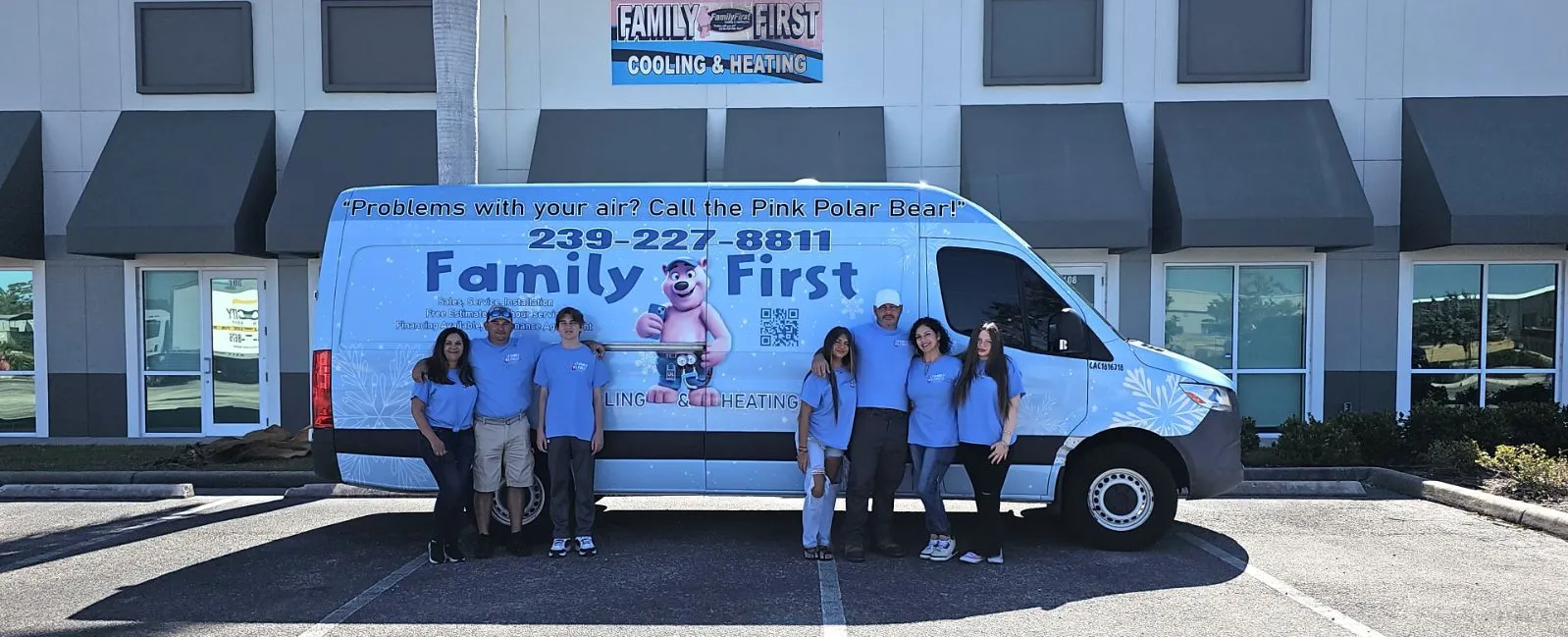
Debris clearing and cleanup is one of the first needs after a storm. Southwest Florida Hauling & Dumping, a Roll The Six client, has written a practical guide to hurricane debris clearing in Southwest Florida that’s worth bookmarking. Air conditioning is another: in a Florida summer, a home without working AC after a storm becomes a real problem fast. Family First Cooling & Heating, also a Roll The Six client, runs 24-hour HVAC service out of Punta Gorda.
Official resources
- Ready.gov business preparedness from FEMA
- Florida Division of Emergency Management
- SBA disaster assistance for businesses affected by declared disasters
- Your county emergency management office for evacuation zones and local updates
Printable checklist
- Insurance reviewed, including flood and business interruption.
- Documents and data backed up to the cloud.
- Equipment, vehicles and inventory photographed.
- Employee contact list and check-in plan.
- Reserve cash and supplier backup plan.
- Job site and equipment securing plan.
- Google profile, website, voicemail and social updates ready to go.
- Post-storm customer contact list ready.
Preparing your online presence is one of the cheapest ways to protect revenue through a storm. If you want someone else watching your Google profile and website when the weather turns, Roll The Six handles that for local businesses.